Training the Core the Right Way: Why Endless Sit-Ups Don’t Build a Strong Midsection
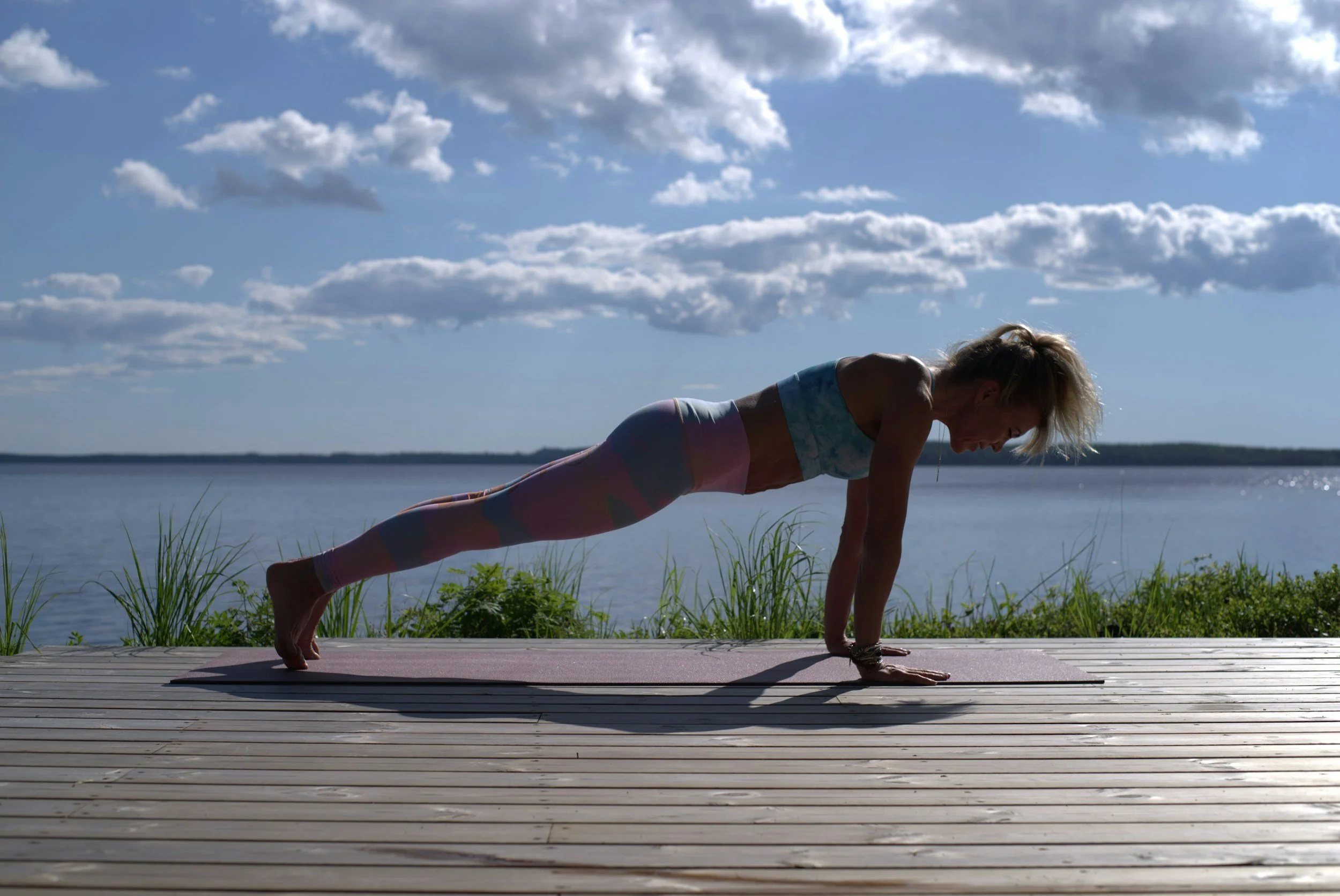
A strong core is one of the most important foundations for strength, athletic performance, and injury prevention. But despite what many of us grew up believing, doing hundreds of sit-ups isn’t the key to building a powerful, stable midsection. In fact, traditional sit-ups can be one of the least effective ways to train the core.
This guide breaks down the real science of core training, what your core actually does, and smarter ways to train it for stability, strength, and long-term results.
What the Core Actually Is (Hint: It’s Not Just Abs)
The “core” includes more than just the six-pack muscles. It’s an interconnected system of muscles that support the spine, pelvis, and ribcage. This includes:
Transverse abdominis
Internal and external obliques
Rectus abdominis
Erector spinae
Diaphragm
Multifidus
Pelvic floor
These muscles work together to create stability, transfer force, protect the spine, and keep you strong through every lift and movement.
Sit-ups mainly target the rectus abdominis. Effective core training works the entire system.
Why Endless Sit-Ups Don’t Build a Strong Core
Traditional sit-ups involve repeated spinal flexion — curling your torso forward again and again. While this does work the abs somewhat, it’s far from optimal for strength or functionality.
Here’s why they fall short:
1. Sit-Ups Don’t Train the Core’s Main Job: Stability
The primary purpose of the core is not bending — it’s resisting movement.
Your core stabilizes your spine while you walk, squat, deadlift, run, reach, rotate, and lift.
Sit-ups don’t teach the core to brace, resist rotation, or maintain alignment.
2. They Overload the Hip Flexors More Than the Abs
Most people feel sit-ups in the front of the hips. That’s because the hip flexors can dominate the movement, especially when anchoring the feet.
This reduces ab activation and increases stress on the lower back.
3. High-Rep Sit-Ups Can Create Unnecessary Spinal Stress
Research shows that repeated loaded spinal flexion increases pressure on the lumbar spine.
This doesn’t mean sit-ups are dangerous for everyone, but they’re also not the smartest tool for building strength or stability.
What Your Core Actually Needs: Anti-Movement Training
The strongest, most functional cores are built with movements that train the body to resist motion rather than create it. These fall into three categories:
Anti-Extension
Resisting an excessive arch in the lower back.
Examples:
Dead bugs
Planks
Ab wheel rollouts (progression)
Anti-Rotation
Preventing the torso from twisting under load.
Examples:
Pallof press
Cable or band anti-rotation holds
Anti-Lateral Flexion
Resisting side bending.
Examples:
Suitcase carries
Side planks
This style of training builds the deep stabilizers of the core — the true foundation for strength and athleticism.
Why Strength Athletes Train the Core This Way
Watch the best lifters, athletes, or strength coaches, and you’ll notice something:
No one is doing hundreds of sit-ups.
Instead, they’re training bracing, breathing, and stability under load.
A strong core:
Improves squat and deadlift performance
Reduces lower back pain
Enhances speed and change of direction
Supports better posture
Protects the spine during heavy lifts
Sit-ups simply don’t offer these benefits.
How to Train Your Core the Right Way
Here’s a simple, effective core routine built on stability and strength:
A. Plank (or RKC Plank) – 20–30 seconds
Focus on bracing and maintaining neutral alignment.
B. Dead Bugs – 6–10 reps per side
Control the ribcage and pelvis.
C. Suitcase Carry – 20–40 seconds per side
Resist side bending.
D. Pallof Press – 8–12 reps per side
Train anti-rotation strength.
Perform this 2–3 times per week for noticeable improvements in midsection strength and stability.
Why This Works Better Than Sit-Ups
This style of training:
Engages the deep core muscles
Improves functional strength
Trains the muscles the way they’re actually used in sport and life
Reduces strain on the spine
Builds visible abdominal definition when paired with proper nutrition
It’s not about doing more work — it’s about doing the right work.
Core Strength ≠ Visible Abs
It’s easy to think that the more core exercises you do, the more your abs will “show.” But visible abdominal definition has far more to do with overall body fat levels than the amount of sit-ups, planks, or core circuits you perform.
Core training strengthens the muscles underneath, but it does not selectively burn fat from the stomach area. The appearance of a leaner midsection is determined by:
Consistent strength training
Balanced nutrition
Sustainable calorie intake
Daily movement and activity
Core exercises build strength, stability, and performance — and those benefits matter far more than aesthetics. But it’s important to understand that training the core alone won’t create visible abs unless body fat levels are low enough for that definition to appear.
Takeaway
A strong core isn’t built with endless sit-ups.
It’s built through smart, stability-focused movements that reflect how your body actually functions.
If your goal is to lift heavier, move better, reduce pain, or build a strong midsection, anti-movement training will get you far better results than traditional ab exercises.
References
Behm, D. G., Drinkwater, E. J., Willardson, J. M., et al. “The effectiveness of traditional vs. non-traditional core exercises.” Sports Medicine.
McGill, S. M. “Low Back Disorders: Evidence-Based Prevention and Rehabilitation.”
Hibbs, A. E., et al. “Optimizing performance by improving core stability and core strength.” Sports Medicine.
Axler, C. T., & McGill, S. M. “Low back loads during abdominal exercises.” Journal of Strength and Conditioning Research.